
James Baldwin was no stranger to feelings of alienation, disillusionment, betrayal, and fear for the fates of the marginalized. When we reckon with events that threaten our hope for the future and trust in one another, Baldwin and the Bible have words for us.
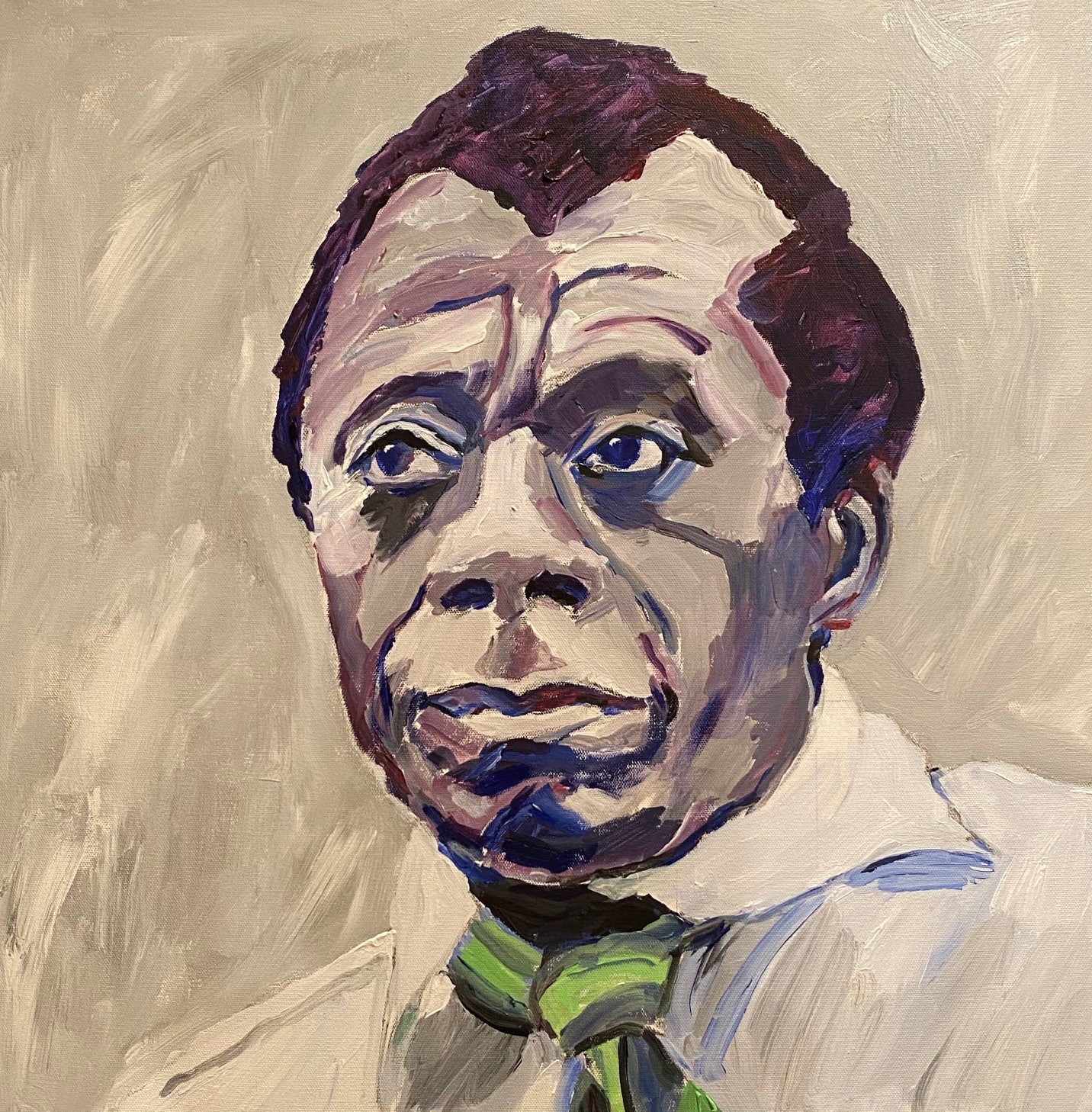
Sad Songs: Singing the Blues and Biblical Lament
Now, you women, hear the word of the LORD;
open your ears to the words of his mouth.
Teach your daughters how to wail;
teach one another a lament.
Death has climbed in through our windows
and has entered our fortresses;
it has removed the children from the streets
and the young men from the public squares.
– Jeremiah 9:20-21
“They gave our sorrow and our danger back to us, transformed, and they helped us to embrace and triumph over it. They gave us back our joy, and we could give it to our children. Out of the depths of the midnight hour, we could laugh.”
– James Baldwin: “Last of the Great Masters”
Where do we go when we’re discouraged? How do we go on when we are too world-weary to put one foot, one word, one thought in front of another? Baldwin likened himself to a blues singer, albeit one who didn’t know anything about music and couldn’t sing. This African-American musical tradition and the Old Testament Writings offer a soulful and honest way through our personal anguish to recognizing and reclaiming our collective humanity.
Write your own Psalm of Lament or Blues Song
It takes powerful language to articulate a powerful experience, to put words to what we feel might be too deep for words.
- First, tell what happened. In one line. Strip away the context and consequences and even emotion (for now) and describe the worst moment of the whole experience in one telling detail. Pack the rest of the story into three more similar, one-phrase lines. (If you find they rhyme, you’re writing the blues, if not, we’ll just call it a lament.)
- Take some time to pray. Identify the burning question kindled by this experience. Sometimes it’s simply “Why?” or “How could you?” but it might be something else. Ask the question, and listen for the answer. This doesn’t guarantee there will be one, but listen for it.
- Now write more freely. What do you want to say now that is completely unacceptable to say? Write it down. Change up the way you describe your feelings. If you could concentrate this emotion on your tongue, what would it taste like? Don’t be afraid to use heightened or strong images. Some of the images in the Psalms are almost too strong to stomach, even theologically problematic (e.g. God bless anyone who bashes in the skulls of the children of the people who did this). Don’t worry about being correct or even fair to all parties. If God could watch this happen, God can handle what you have to say about how it makes you feel. Skip anything that softens it. No euphemisms or “maybes” or “I feel likes,” just what is. Pour it out there. How has the world changed since? End with one concrete example of something you do differently now.
- Pause to reflect. What do you want or need in light of this? What do you want to be able to do again? Wait for a concrete image of what wholeness would look like now. Ask for it.
- Describe in writing what it is you are waiting for.
This is the 2nd in a series of 8 devotions that was featured, in slightly altered form, on our bible app in March 2022 as ‘The Gospel according to James Baldwin*
 Homespun