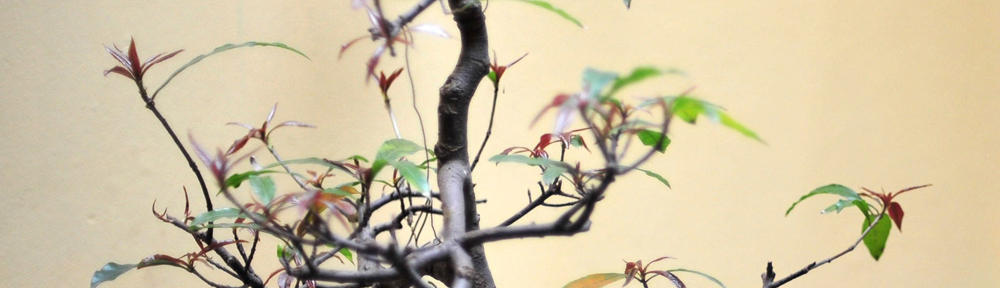

Two parables of the fig tree. Two ways of trying too hard only to have nothing real to show for it. On which side do you err? Pouring so much of your energy into the leafy appearance of productivity with nothing left to share? Or running in so many directions that you rob yourself of the joy of seeing something through to fruition? The fig tree speaks to our tendency to prioritize looking like we have it all together over doing what we were made to do and the futility of trying to have and do it all.
12 The next day as they were leaving Bethany, Jesus was hungry. 13 Seeing in the distance a fig tree in leaf, he went to find out if it had any fruit. When he reached it, he found nothing but leaves, because it was not the season for figs. 14 Then he said to the tree, “May no one ever eat fruit from you again.” And his disciples heard him say it.
15 On reaching Jerusalem, Jesus entered the temple courts and began driving out those who were buying and selling there. He overturned the tables of the money changers and the benches of those selling doves, 16 and would not allow anyone to carry merchandise through the temple courts. 17 And as he taught them, he said, “Is it not written: ‘My house will be called a house of prayer for all nations’? But you have made it ‘a den of robbers.’”
18 The chief priests and the teachers of the law heard this and began looking for a way to kill him, for they feared him, because the whole crowd was amazed at his teaching.
19 When evening came, Jesus and his disciples went out of the city.
20 In the morning, as they went along, they saw the fig tree withered from the roots. 21 Peter remembered and said to Jesus, “Rabbi, look! The fig tree you cursed has withered!” – Mark 11:12-21


 Homespun